
Wired to Trust
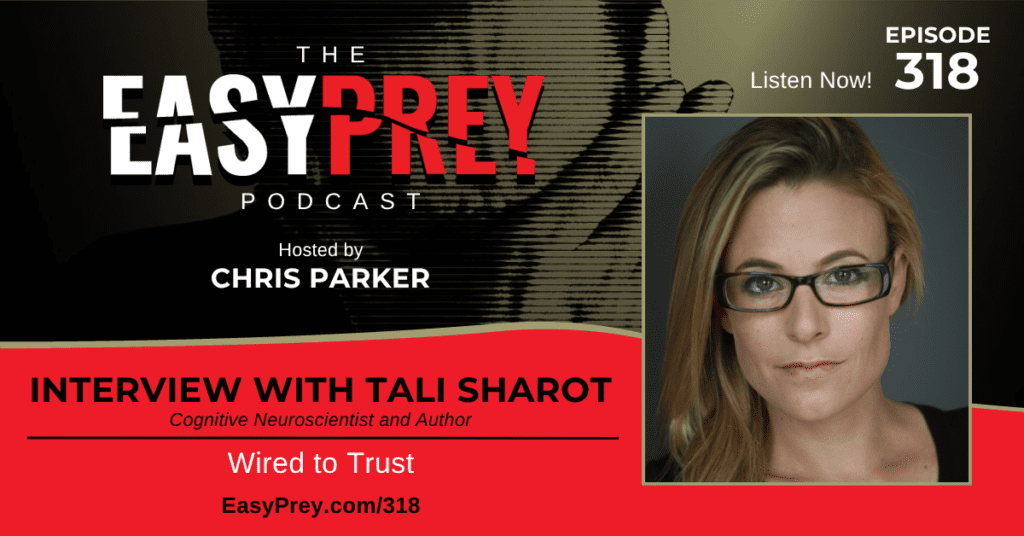
Tali Sharot is a cognitive neuroscientist who studies how we form beliefs and make decisions. She’s known for her research on the neural basis of human optimism, and her work has been published in leading journals. In her books, The Optimism Bias and The Science of Optimism, she explains why we expect things to work out and how that tendency can quietly expose us to risk.
Stopping Phone Scams

Phone scams get dismissed as background noise or just annoying interruptions and unknown numbers with robotic voices we learn to ignore. But behind that noise is an industry built on psychology, automation, and staggering profitability.
Hacking AI

AI has brought incredible new capabilities into everyday technology, but it’s also creating security challenges that most people haven’t fully wrapped their heads around yet. As these systems become more capable and more deeply connected to the tools and data we rely on, the risks become harder to predict and much more complicated to manage.
Real Time Fraud Detection
Everywhere you turn, someone’s trying to fake something like an image, a voice, or even an entire identity. With AI tools now in almost anyone’s hands, it takes minutes, not days, to create a convincing fake. That’s changed the game for both sides. The fraudsters have new weapons, and the rest of us are scrambling to keep up. The real question now isn’t just how to stop scams, but how to know who or what to trust online.
The Art of Espionage with Jim Lawler
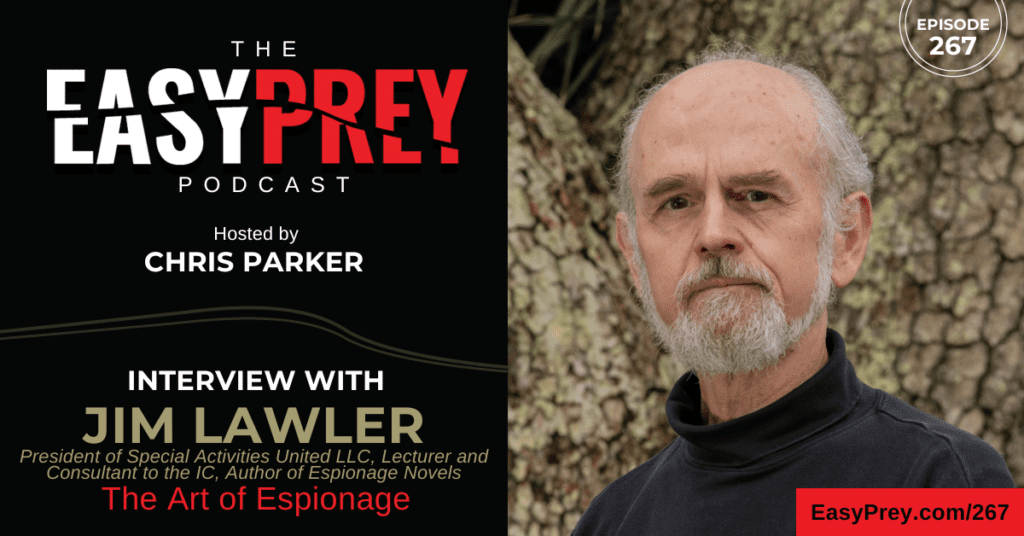
What makes someone betray their country? It’s rarely just about money. In this episode, you’ll hear from a retired CIA officer who spent 25 years recruiting foreign spies by tapping into something deeper than greed. Jim Lawler shares real stories from his career in human intelligence, where persuasion was built on empathy, trust, and understanding what truly drives people.
Cyberbullying with Robin Kowalski
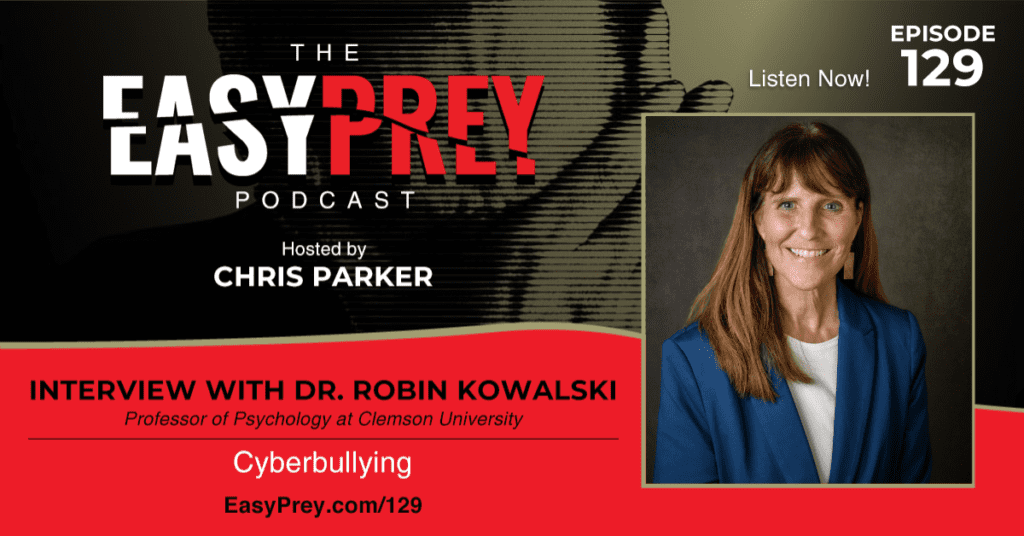
Today’s guest is Dr. Robin Kowalski. Dr. Kowalski is a professor of Psychology at Clemson University. She obtained her PhD in Social Psychology from the University of North Carolina Greensboro. Her research interests focus primarily on adverse interpersonal behaviors, most notably complaining, teasing, and bullying with a particular focus on cyberbullying.
You Can Stop Stupid with Ira Winkler

Ira Winkler is considered one of the world’s most influential security professionals and was named a “Modern Day James Bond” by the media. He did this by performing espionage simulations, where he broke into some of the largest companies in the world, investigating crimes against them. He has used these simulations to assist organizations and has won several prestigious industry awards.