Less than 30 years ago, biometric security seemed like something out of science fiction—reserved for futuristic thriller films like The Bourne Identity or Mission: Impossible. The idea of using fingerprints, facial recognition, or retinal scans for everyday identity verification felt like a distant, improbable dream.
Today, biometrics are everywhere. Governments, financial institutions, and tech companies use biometric data to unlock devices, authorize transactions, grant security clearance, and more.
While biometric authentication enhances security, its widespread adoption also introduces new privacy risks. The collection and storage of biometric data raise concerns about data breaches, surveillance, and the potential misuse of personal identifiers that, unlike passwords, cannot be changed.
Biometrics and biometric data
Biometrics is the automated identifier of people based on their distinguishable, unique behavioral and biological characteristics. These characteristics include facial features, fingerprints, iris and voice patterns, and gait analysis.
This biometric data is collected and stored in databases to verify individual identities for security purposes.
Over the past thirty years, biometric systems have been introduced to numerous industries and often used by consumers. Widespread automated biometrics systems are relatively new to consumers, but automated identification is a centuries-old idea. In 1892, Sir Francis Galton created the first widely used biometrics system, fingerprint classification.
How biometrics works
An automated biometric authentication system collects identifying personal data by using a scanner to capture your unique features. Your basic information is recorded, including your name, and then is stored in a secured database.
The system then uses facial, fingerprint, or voice recognition software and converts your features into digital code. The next time you use the system to access your account or to gain security clearance, biometrics compares the recorded scan to your current scan. If your features aren’t recognized, you’re rejected from the system.
Types of biometric security
From financial institutions to government agencies, security systems tend to use basic types of biometrics:
- Biological:
Biological biometrics include blood type, DNA, and heartbeat recognition.
- Behavioral:
Behavioral biometrics include your voice inflections, handwriting, typing behaviors, and your unique gait.
- Physical:
Physical biometrics capture your traits, including the color and shape of your iris or retina, facial features, fingerprint, and hand geometry (the shape, size, and slope of your hand)

How biometric data is used
Biometrics systems don’t directly protect your privacy, but are used as a security measure. For example, law enforcement uses biometrics to keep security checkpoints safe and for criminal or victim identification.
Other examples of biometric data applications include:
- Airport Check-ins:
TSA may use biometric data to confirm your identity as you go through the security line. These images are deleted within 24 hours of your flight departure.
- Border enforcement:
Verification of identity for people attempting to pass through a country’s security checkpoints
- Financial account access:
Mobile or online banking accounts, ATMs, and some in-person transactions all use biometric authentication
- Government security clearance:
Some U.S. government institutions require biometric authentication for security checkpoints and for federal workers to gain access to buildings, certain floors, data, and files.
The Department of Homeland Security oversees the U.S. government’s Office of Biometric Identity Management (OBIM), and the Automated Biometric Identification System (IDENT) which stores the unique biometric data of over 320 million people.
- Healthcare:
Healthcare facilities might use biometrics to identify patients, monitor patients, clinical research, and to allow access to patient portals
- Mobile commerce:
Some online commerce sites offer biometric authentication for consumers making purchases from their smartphones
- Smart device protection:
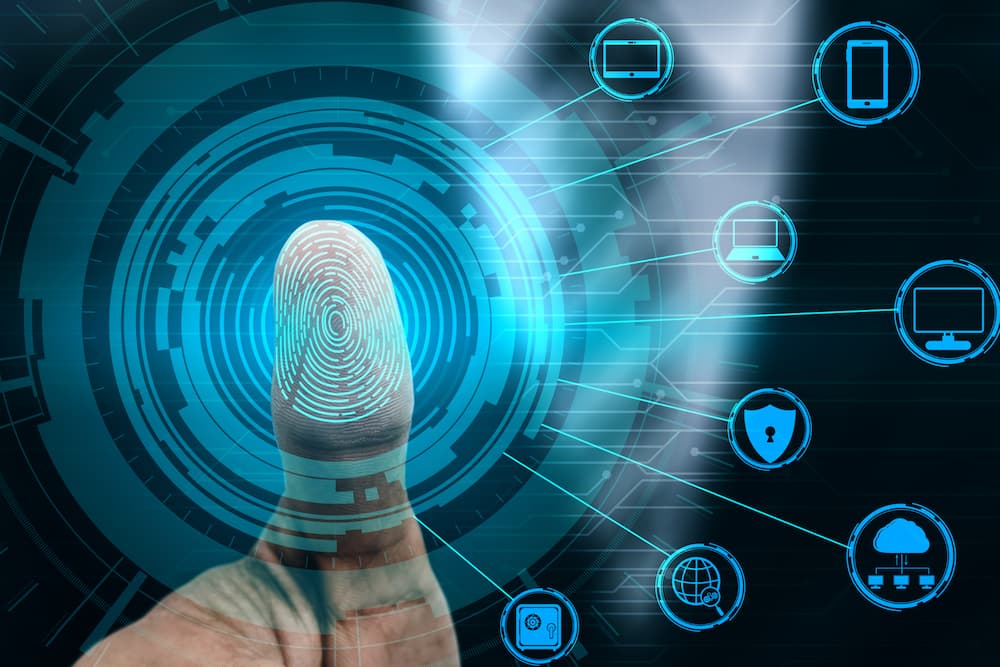
Smartphones, tablets, and more may use fingerprint authentication to unlock devices.
- Voter registration and authentication:
Many states offer biometrics to allow citizens to register to vote and to verify voter identity.
Security benefits of biometrics
Biometrics looks cool and serves a significant purpose as well. Biometrics systems provide a stronger layer of data protection than basic antivirus software, strong passwords, or even two-factor authentication.
Some of the security benefits of biometrics privacy include:
- Continuous authentication (monitoring real-time activity)
- Convenience
- Eliminates the need to remember passwords
- Extra cybersecurity when integrated with multi-factor authentication such as SMS codes
- Limits the risk of credential sharing
- Reduced risk of data breaches and identity theft

Why biometrics raises data privacy concerns
Although biometrics identification adds extra security measures to protect confidential data, concerns about biometric privacy are growing. Biometric security can be an invasion of personal privacy as your most distinguishing details are collected by both public and private entities.
Cybercriminals or nefarious government agents could target biometric databases to collect personal identifiers without individual consent. Biometric data can also be hacked. Here are some of the main concerns about biometric privacy.
Database Breaches
Hackers may target biometric databases and gain access to personal identifiers for countless victims. These bad actors could use your fingerprints, voice, and facial features to wage criminal acts.
Facial Recognition Risks
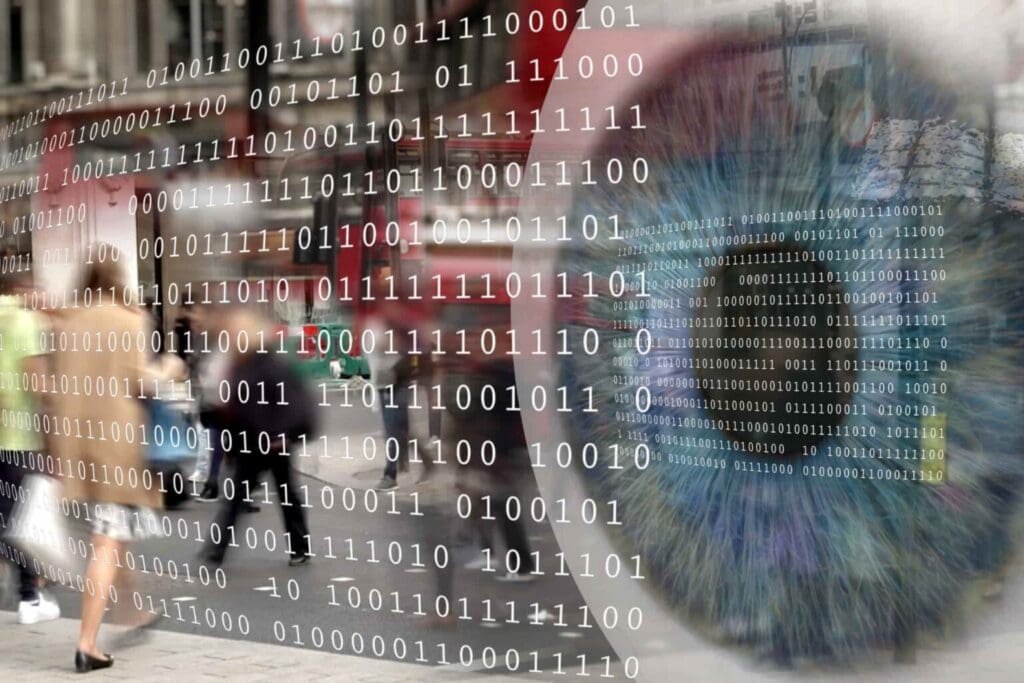
Facial recognition gained from biometric data presents an increased risk of surveillance — government security forces or criminals could track you without your knowledge. When your face shows up on CCTV or anywhere in a public setting, a cybercriminal could run it through a biometric database without your permission.
Replay Attacks
Replay attacks involve recording biometric data such as your voice or your image to gain unauthorized access to an account or system, or to create a deepfake using your likeness to steal sensitive information.
Skimming
Much like credit card skimmers, hidden devices can capture biometric data from unsuspecting targets. Skimmers can steal your fingerprints to gain access to your accounts protected by biometric security.
Unlike identification numbers, bank accounts, Social Security numbers, and credit card numbers, you can’t change your fingerprints or your voice, making it tough to stop this type of identity theft.
Spoofing
Borrowing a plot device from the Mission Impossible films, cybercriminals can use 3D printers to create a spoof of your fingerprints or facial features. These “spoofs” can be used to trick biometric systems into granting unauthorized users access to secured accounts.
The risks of a biometric data hack
The risks associated with biometric hacking can lead to erosion of brand trust and credibility, significant financial losses, and massive identity theft. In 2015, the U.S. Office of Personnel Management (OPM) experienced a massive biometric data breach of their federal database and hackers gained access to 5.6 million fingerprints.
Thankfully, as technology and security protocols advance, the risks of a biometric data hack decrease.
Biometric data protection
The good news is that there are ways to protect biometric data. For example, ensuring that biometrics systems collect data in encrypted domains, or using a heart rate sensor in conjunction with a fingerprint scanner for two-factor authentication.
Some security systems might include multiple fingerprints from different fingers, scans of both irises, or life detection signs (for example, blinking or smiling during facial scans) to deter hackers.
For biometric systems used with smart devices or online banking accounts, combining a fingerprint scan with a strong password can help to protect both your device and your biometric data.
It’s also vital to ensure you only share your biometric data with a provider that you trust. For instance, if an unknown gambling website or a new bank with terrible customer reviews asks you to share an iris scan, it would be wise to decline to do so.
Free personal data scan tool
Biometrics data collection will only become more sophisticated as technology advances, which may be both fantastic and concerning. Although biometrics security offers increasingly stout privacy protections, it can feel invasive, too.
You don’t have control over where you’ll need to use biometric verification, but you can protect your personal data online. The free personal data scan tool from What is My IP Address can help to alert you to the databases where your personal information appears. This tool scans over 80+ data brokers and people searches to find your identifying data and control where it’s visible.