








Everyday conveniences ask for tiny pieces of information all the time like a phone number at checkout, a zip code at the register, an email address for a receipt, or a loyalty account for a small discount. At the moment, it can feel harmless. But those small details can add up quickly, creating a personal profile that businesses, data brokers, scammers, and even people with bad intentions can use in ways most of us never agreed to or fully understood.
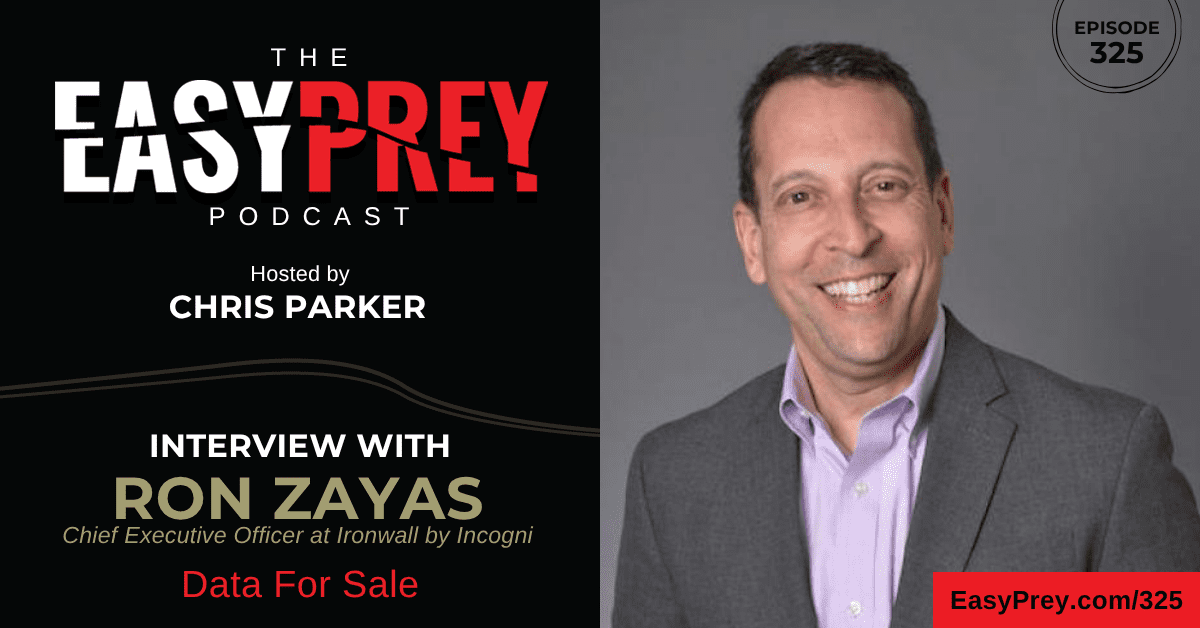
My guest today is Ron Zayas, CEO of Ironwall by Incogni. Ron is an online privacy expert, speaker, and author who has helped the judiciary, law enforcement, and public agencies protect personnel by removing personal data from online sources. Since founding the company in 2011, the proactive strategies he developed have helped protect thousands of at-risk professionals, including judges, police officers, public officials, executives, and others who face real-world threats when their private information is exposed.
We talk about why your mobile number has become one of the most valuable identifiers companies can collect, how everyday purchases can reveal more than you think, and why scammers are often looking for the easiest target rather than the hardest one. Ron also shares practical ways to reduce your exposure, from questioning why a business needs your information to using aliases, opting out of data sharing, and removing personal details from online databases. The goal is not to vanish from the world, but to make yourself harder to find, harder to profile, and harder to exploit.
“New information supersedes old information, so you can start today, and it will start to improve your life almost immediately.” - Ron Zayas Share on XShow Notes:

- [01:12] Ron Zayas explains how Ironwall by Incogni protects the privacy of individuals ranging from Supreme Court justices and police officers to corporate executives and everyday consumers.
- [04:18] How even a simple pizza order can reveal patterns about a person’s life, including family structure, work schedule, and daily routines.
- [07:43] We talk about how selling personal data became its own revenue stream, sometimes making customer information more profitable than the original product or service.
- [10:41] Practical privacy habits come into focus, including removing registration cards from cars, questioning why businesses need certain information, and refusing to provide details that are not necessary.
- [13:17] A real-world scam example shows how urgency, voice recordings, and personal details gathered from social media can quickly override someone’s judgment.
- [16:24] We discuss email aliases and phone aliases as tools for limiting exposure and tracking which companies may be sharing or selling personal information.
- [19:28] How personal data can become dangerous beyond marketing, especially when sensitive purchase patterns or location information can be tied to legal, medical, or personal risks.
- [22:19] How GPS data can be filtered by home and work locations to reveal a person’s daily route, stops, habits, and family routines.
- [25:39] The data broker industry is described as a massive business, with profiles that can contain thousands of data points about a single person.
- [28:42] We talk about how privacy habits become easier with practice and why reducing the amount of available information makes someone a harder target.
- [31:17] How much effort people should realistically expect to put into protecting their information, starting with prevention and asking how little information a company actually needs.
- [34:13] Practical ways to reduce transaction tracking include using chip cards, virtual credit card numbers, deletion requests, and opt-out forms from financial institutions.
- [37:28] The conversation shifts to Ironwall’s higher-risk work protecting people who may face physical danger, including judges, police officers, elected officials, executives, and domestic violence victims.
- [40:09] The difference between Incogni and Ironwall becomes clear, with Incogni focused on consumer privacy concerns and Ironwall focused on people who need stronger protection from real-world threats.
- [42:17] We talk about “suckers lists” and how people who have already been scammed may become targets for recovery scams and follow-up fraud.
Thanks for joining us on Easy Prey. Be sure to subscribe to our podcast on iTunes and leave a nice review.
Links and Resources:
- Podcast Web Page
- Facebook Page
- whatismyipaddress.com
- Easy Prey on Instagram
- Easy Prey on Twitter
- Easy Prey on LinkedIn
- Easy Prey on YouTube
- Easy Prey on Pinterest
- Ron Zayas – Ironwall by Incogni
- Ironwall
- Ron Zayas – LinkedIn