



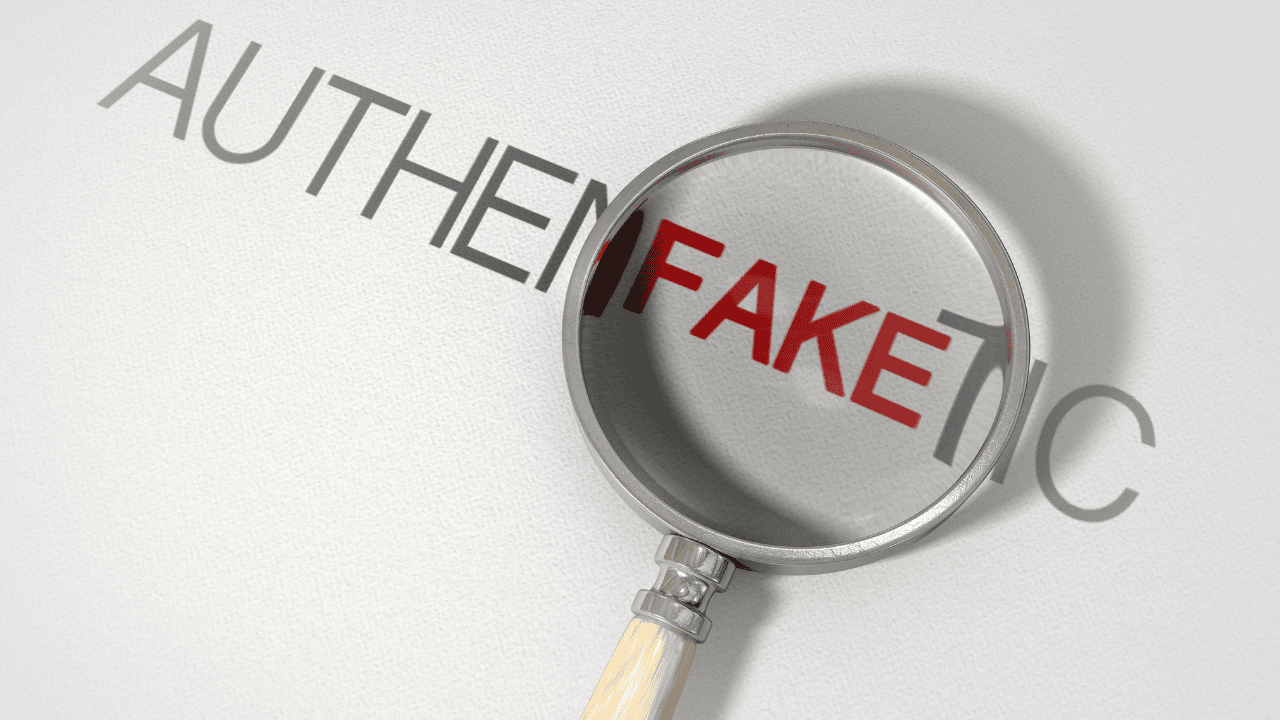
A counterfeit handbag may leave someone disappointed. A counterfeit medication, airbag, or child’s car seat can do far more damage. Fake products now reach into nearly every part of daily life, and many of them arrive through online stores that look completely legitimate.
Kari Kammel saw the danger firsthand when a pharmacist overseas offered her several versions of the same medication. Some were authentic, while others were openly described as counterfeit. That experience stayed with her. She now directs the Center for Anti-Counterfeiting and Product Protection at Michigan State University, where she works with consumers, brands, researchers, and law enforcement.
Kari talks about how counterfeit goods enter the marketplace and why they have become so difficult to recognize. She explains what shoppers should examine before placing an order and what to check when the package arrives. The conversation also looks at the health risks behind fake products, the criminal activity they may fund, and the real reason an unbelievable deal can be so cheap.
“If there is a brand name on it, it has probably been counterfeited.” - Kari Kammel Share on XShow Notes:
- [01:04] Kari Kammel explains how the Center for Anti-Counterfeiting and Product Protection works to keep fake products away from consumers.
- [02:28] An encounter with counterfeit medication leads Kari into the field of brand protection.
- [03:34] Why even counterfeit experts sometimes purchase fake products by mistake.
- [06:11] The worldwide scale of counterfeiting and how online sales accelerated its growth.
- [08:30] Small direct-to-consumer packages make counterfeit shipments harder for customs officials to detect.
- [10:46] Why the word “dupe” can refer to either a legitimate alternative or an illegal counterfeit.
- [13:22] Counterfeit goods extend far beyond luxury items into car parts, electronics, toys, and medical products.
- [16:08] The health risks of fake clothing, cancer medications, and injectable weight-loss drugs.
- [18:12] Why people become less cautious and more impulsive while shopping online.
- [19:38] Only the brand can confirm authenticity, but consumers can still look for warning signs.
- [20:29] Checking the seller, business address, website, and contact information before placing an order.
- [23:30] Suspicious photographs, fake reviews, unusual prices, and shortages that attract counterfeit sellers.
- [25:41] What packaging, shipping origin, and product differences can reveal after an order arrives.
- [27:25] How unauthorized “third shift” manufacturing produces goods outside a brand’s quality controls.
- [28:36] Following the money from counterfeit sales to organized crime and other illegal activity.
- [31:58] How counterfeiters divide shipments and change tactics to avoid customs inspections.
- [35:00] The countries involved in manufacturing, transporting, and purchasing counterfeit goods.
- [38:15] How brands search for fake products and try to remove them from online marketplaces.
- [39:15] The whack-a-mole problem created by counterfeit listings and AI-generated advertisements.
- [41:00] Child labor, human trafficking, unsafe factories, and the hidden costs behind cheaper products.
Thanks for joining us on Easy Prey. Be sure to subscribe to our podcast on iTunes and leave a nice review.
Links and Resources:
- Podcast Web Page
- Facebook Page
- whatismyipaddress.com
- Easy Prey on Instagram
- Easy Prey on Twitter
- Easy Prey on LinkedIn
- Easy Prey on YouTube
- Easy Prey on Pinterest
- Kari Kammel – A-CAPP Team – Michigan State University
- Kari Kammel – LinkedIn
Transcript:
Kari, thank you so much for coming on the podcast today.
Hi, Chris. Thanks for having me.
You're welcome. Looking forward to our conversation. Can you give the audience a little bit of background about what you do?
Sure. I am the director of the Center for Anti-Counterfeiting and Product Protection at Michigan State University, and we research the problem of trademark counterfeiting as it occurs in the U.S., but also all over the world, and we look specifically at how we can protect consumers from purchasing essentially fake products.
But we also work extensively with brands that are having this issue in the space, law enforcement, lawyers, service providers, all this whole community that is looking to keep consumers safe from buying fake products. We do a lot of research on that. We also do a lot of education on that, and then we run a lot of outreach programs as well to help really raise more awareness about this issue.

Gotcha. What got you interested in this field?
Great question. I had gone to law school many years ago and had ended up doing some international law. I was overseas, saw one day I got a little bit ill, and one of my staff in the country I was in took me to the local pharmacy, and the pharmacist said, “Well, here's your choice for the medication. There's five choices. You can buy the counterfeit version from China. You can buy the counterfeit version from Turkey. You can buy the real version from Turkey, or you can buy the real version from Germany. Which one would you like?”
I was really taken aback, and I said, “Why would anybody buy the counterfeit version?” They said, “Well, it's cheaper. You may not have enough money.” I said, “But what's in it?” They said, “We don't know, but maybe there'll be some of the active ingredient in it.” I was really surprised by how direct that was. Of course, I bought the authentic one, but then was really curious about it. Then I moved back to the US. I got a job at Michigan State, and this opening came up at the A-CAPP Center, which is what we call our center.
I said, “Wow, someone's actually studying this phenomenon that I had witnessed years ago that I'd seen on the pharmaceutical side. Someone knows about Canal Street in New York City and other places where you just see fake stuff, mostly luxury goods everywhere, and you know it's fake, but this was something different.” I said, “Hmm, maybe I can use my background to help learn more about this, but also help teach others about it.” That's how I got into doing this.
One of the other things I talk about with my guests, particularly in the counter-scam, counter-fraud space, if we as the experts can't get it right 100 percent of the time, the audience, if they can't get it right, shouldn't feel ashamed or embarrassed. Have you ever bought a counterfeit product accidentally?
Yes. I feel like everyone in our space, which we call brand protection, has, as has everyone in my office. I would say the space has changed a lot. When I first got into it 12, 13 years ago, it was just starting to become big on the internet, but we saw more in what we call a brick-and-mortar setting. You go to a flea market, or people would sell stuff at garage sales, or you might see it in small shops like bodegas, or people just selling a whole bunch of stuff, dollar stores.
You would see a little bit of it in those spaces, but now in the online environment, it's everywhere, especially anywhere that allows sales by other individuals. We can talk more about that. All of us struggle sometimes to be able to tell, “Is this authentic?” We may purchase something online, and it shows up on our doorstep. Sometimes you can tell right away from the packaging, “Oh, this was not a good purchase.”
It's getting better and better and better quality, and it's becoming more and more deceptive. Even now, some are so difficult to determine, even if you have it side by side, whether it's fake or not. -Kari Kammel Share on XSometimes you open it and compare it side by side with maybe a version that you bought in a store or something else, and you're like, “Oh, this is problematic.” It's getting better and better and better quality, and it's becoming more and more deceptive. Even now, some are so difficult to determine, even if you have it side by side, whether it's fake or not. It's becoming a more serious issue, but yeah, we've all done it. We're certainly not exceptions to that.
I'd like to say that I've never done it, but at least, I just bought something else about six months ago that showed up at my house, and I thought, “They got me.” I could tell right away. I was like, “Oh, this is not great,” but we have a little counterfeit museum in our office, so we added to the collection.
I feel like there's definitely things that I've bought that I'm not sure that they were counterfeit, but it was from brands that I'm not super familiar with that have a good reputation, and the product I got was really, really cheap, and I was like, “This doesn't seem consistent with the brand.” I suspect that this is a knockoff that was something that was not super important, but I suppose there's other risks, and we'll talk about that. How big of a problem is counterfeit goods?
Yeah. This is a challenging question. Because this is criminal activity, we don't have very accurate numbers. A lot of people say, “Oh, this is a business problem.” It is to some extent, but legitimate companies can tell you how big their sales are. What they can't do is tell us exactly how big this problem is.
The best estimates come out of a group called the Organization for Economic Cooperation and Development, and they estimate it globally. It's about 7% of the GDP, so billions, that it's a very big problem. I would say since I started in this field, it's been growing exponentially, and that's because of online sales.
Where a counterfeiter might have had a hard time reaching a consumer, now, all the benefits that we've seen of online sales for real businesses and small businesses and startups and mom-and-pop shops, the counterfeiters have also… Share on XWhere a counterfeiter might have had a hard time reaching a consumer, now, all the benefits that we've seen of online sales for real businesses and small businesses and startups and mom-and-pop shops, the counterfeiters have also taken advantage of that. You can have a seller anywhere in the world reach their audience by a click of a button, which they couldn't do before. The problem has gotten much bigger.
Maybe this is asking the question out of order. I think of the old days, if I were on a street corner selling knockoff purses or something like that, it means I've got a van with a bunch of knockoff purses in it, and I probably have a warehouse with a bunch of knockoff purses in it, and those things have to be rented and leased and paid for. There's a paper trail that leads back to me if I'm the counterfeiter, but if the counterfeiter is overseas and they're selling through online platforms, they might not even have a physical presence in the US.
Correct. We see both right now. There's a good example that came out of the great state that I live in, Michigan. About a year and a half ago, someone discovered a huge warehouse full of counterfeit perfume, which is something that's particularly nasty. People think, “Oh, whatever. It's close enough. How do you spend the money?” I mean, it's filled with all kinds of things that you don't want to put on your skin.
When we showcase—we have some in our office. We tell people, “Don't spray it,” because of what's in it. We don't want it in the air. We don't want it on your skin. That was one where they found a warehouse, and then those people were selling online. They'd gotten their product from overseas. They warehoused it here, sold it online. We also see a lot of direct-to-consumer, though, and that's one way that the counterfeiters have avoided detection by customs.
We also see a lot of direct-to-consumer, though, and that's one way that the counterfeiters have avoided detection by customs. -Kari Kammel Share on XBecause customs actually looks for these things and tries to prevent them from coming into the US, or in other countries, preventing them from coming into those countries. When they ship direct-to-consumer, it's a small package usually, or maybe a box, but there's no way coming through US Postal Service, FedEx, DHL, like any of these big carriers that they're going to be looking at every single package that comes in, especially if it says declared, that it's just a legitimate product.
That's been really hard with the explosion of small parcels, with these small individual packages. Great for us that we can shop more and access more, but it's made it much harder for everyone trying to prevent this to keep those products out of consumers' hands, to keep them safe.
Yeah, and I assume the way import laws are designed, they're generally designed for large quantities of imports, and I suppose lots of this stuff kind of slips through under the dollar amount and under the radar.
Correct. There's a system set up with customs where a brand who owns, in this case, we have to have a trademark on it, which lets the consumer know, “This is where my product is coming from. This is the brand I want to buy. I trust the source. I bought it before,” or maybe it aligns with my values in some way. The customs actually gets those, what they're called, recordations, so they know when they're inspecting product that's coming in, they can look up and they get a brand name.
They'll look it up in their database and say, “Are they supposed to be shipping through this port? What does their brand actually look like? What do the products look like? Are they really supposed to be covered in Saran Wrap and plastic?” There's a lot of them that they see and they're not. They have a way to be able to flag that, but they don't inspect 100% of the goods, they don't. They can't, right? It's more of what looks suspicious or spot checking things that come through.
Wow. That's why we have no idea how big the problem is because tons of it is slipping through small parcels and sight unseen. When people think of a counterfeit product, what do consumers usually think of?
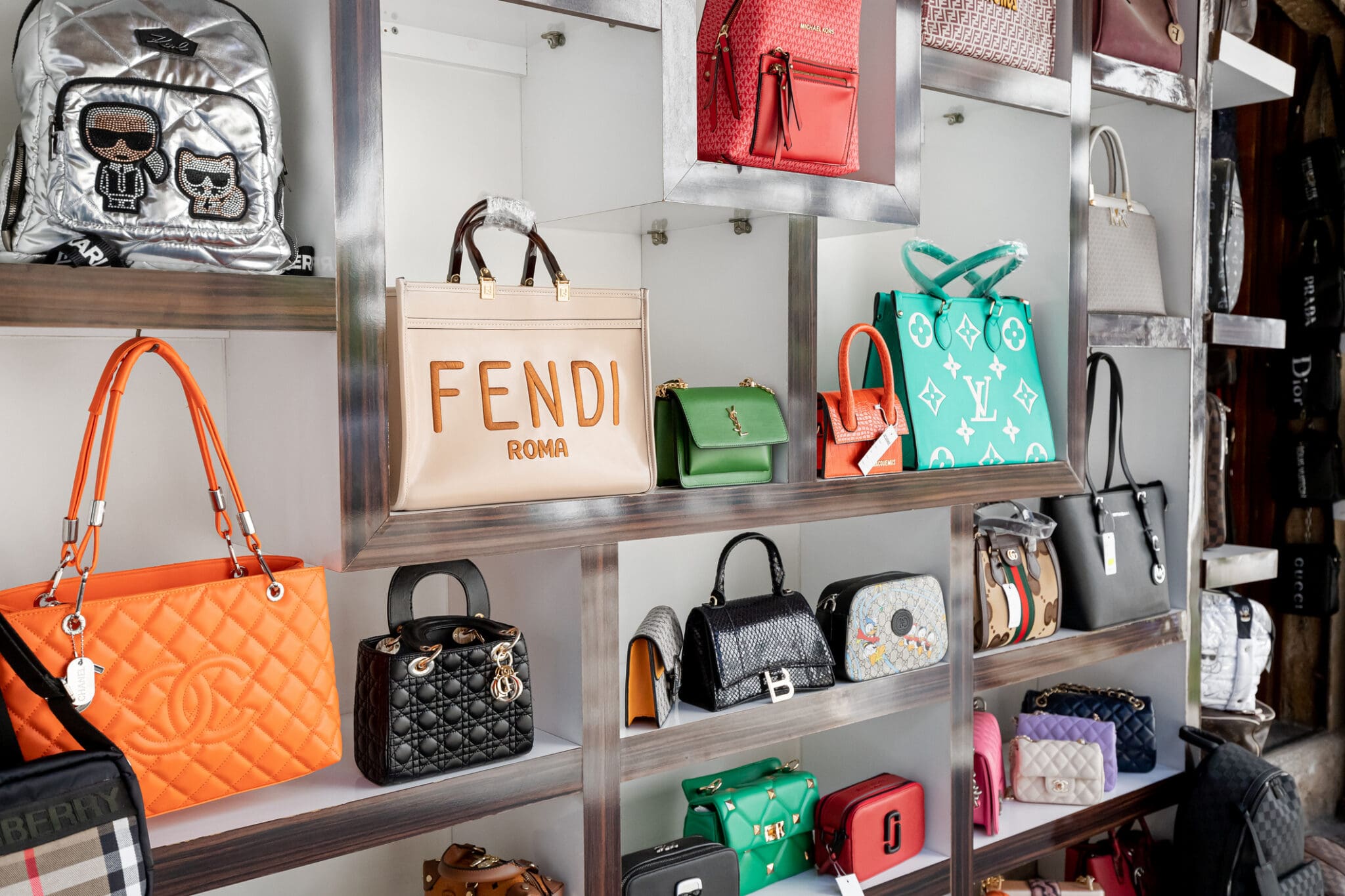
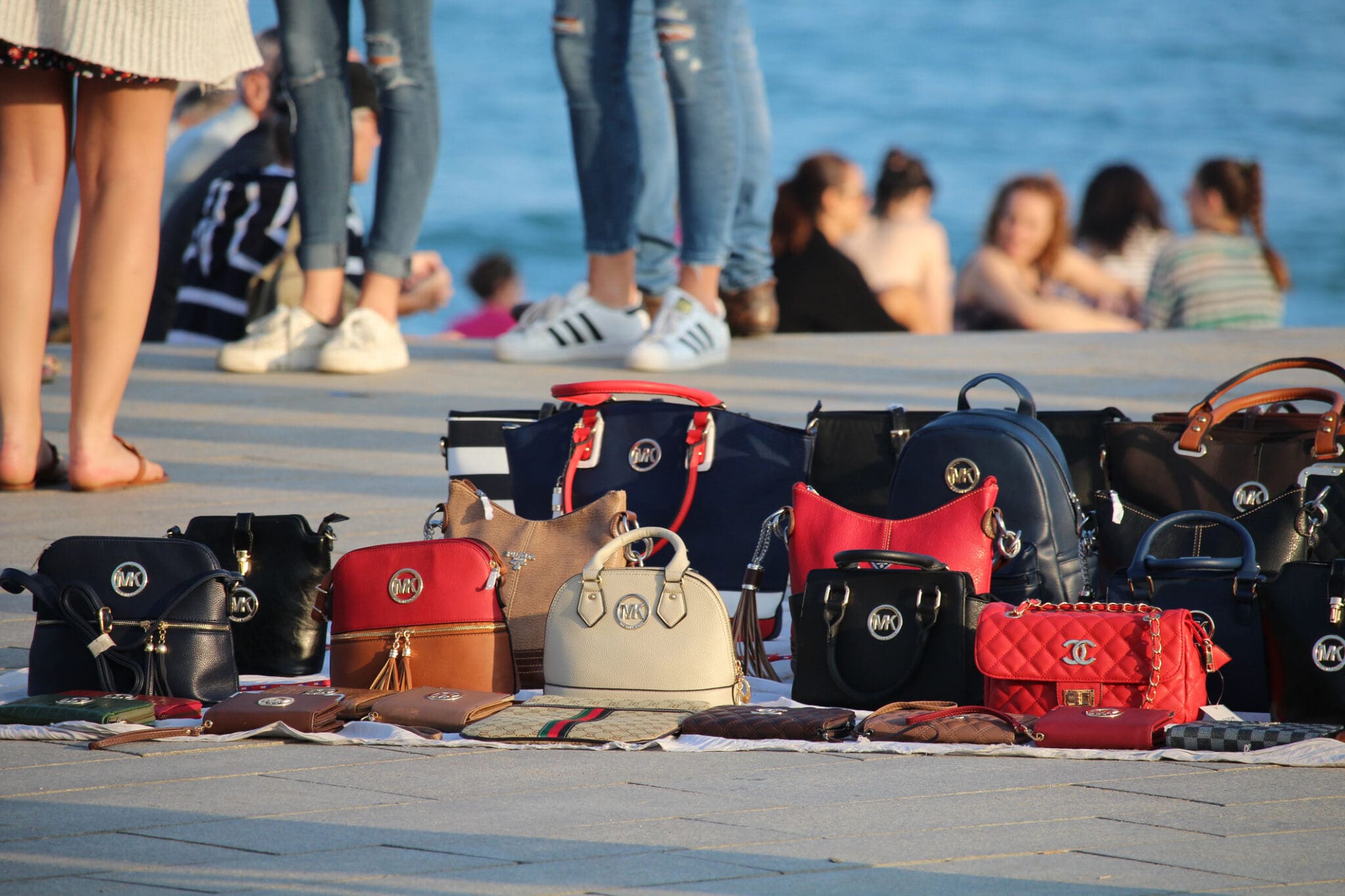
They usually think of fake luxury goods, right? The Louis Vuitton, the Gucci purse, those are still heavily counterfeited, right? People may think of clothing. One of the big terms that's been used for the last six, seven years now is a dupe, right? Which someone's like, “Oh, I want a dupe.” That has various meanings. What it may mean on TikTok or out on social media may mean something very different legally.
Sometimes it just means a real product, but it's a cheaper version of something that's much more expensive. You may see that with, I'll give an example, two hairdryers or curling irons, right? There may be a very expensive one on the market that's like $700. There's one that's similar, but not as high quality, that’s like $120, so people will say the $120 one is the dupe of the more expensive one.
It could also mean a counterfeit, though, where it's a total copy and theft of the legitimate product. We see people use those interchangeably, but I think that's what people gravitate towards. They think of clothing, they think of handbags, they think of that type of thing. The reality of it though is any branded product that we have seen in the marketplace has the potential and probably has been counterfeited.
The reality of it though is any branded product that we have seen in the marketplace has the potential and probably has been counterfeited. If a company has a successful product, for sure they're being counterfeited. -Kari Kammel Share on XIf a company has a successful product, for sure they're being counterfeited. We see this across almost any industry you can imagine. We've talked already about luxury, clothing, shoes, but also auto, so car parts, airbags, brake pads. We see it in electronics. We see it in pharmaceuticals and consumer goods, which is a really scary space.
We see it in kids' products, so everything from car seats, which is especially horrific, to toys. We have batteries. The nuclear industry is being counterfeited right now. It's really incredible. Then we see also in alcohol, cigarettes, nicotine pouches, guns, you name it. If there's a brand name on it, it's probably been counterfeited. It's something that really I don't think most people understand how pervasive it is right now in the things that we buy for everyday use, but even special occasions too.
Yeah. I think part of a consumer mentality, and maybe I've even thought this before, is, “Well, if someone does a knockoff of a Louis Vuitton purse, it's buyer beware.” They didn't get what they paid for, but that's the extent of the crime, but there's potentially more to that. We were talking before we started recording of, “Well, what is it actually made out of? Does that have impurities in it?” That starts to put a whole new twist on, it's a fake, a whole new twist, versus it's just not a real brand, but it could actually cause harm.
Yes. The type of harm varies widely depending on the product. If we take something like a handbag or even clothing, one of our partners just did a study testing counterfeit clothing in apparel and things like that and showed there's a lot of stuff in those products that shouldn't be touching human skin.
Things that we know about like lead paint, for example, but other heavy metals, things like that. Also recently, people just thought, “Oh, it's just a cheaper version of this; it's not actually hurting me,” but now we know there's a lot of problems with these goods. If you take something like pharmaceuticals, we were talking with some people last week about counterfeit oncology meds, cancer meds, and there's a lot of those out there.
Good case is maybe, and I say good case, someone's getting a drug with maybe some equivalence of what's supposed to be in it, but usually some of them don't have any of the drug in it. Some of them have more than it should. Some of them have other things in it, but you have no idea what that person with cancer is putting in their body.
But oftentimes they might go online. They might go to social media. They might be in an online support group for their particular kind of cancer and someone's like, “Hey, try this.” I tried this for my own struggle with cancer, but it's actually a counterfeiter who's there and they're peddling their own fake product. We know that people have died from this, from either not getting the medicine or getting what they weren't supposed to get.
The Counterfeit Economy Share on XIt can be very risky depending on what the product is, but we also see that anything that you ingest in your body, you put on your skin, you inject in your body, because we also see that right now with all the GLP-1s that people want, they are like, “Oh, I'll take it even if it's fake. I'll try it,” without understanding the risk of harm to themselves.
It is a great risk, but we've done a lot of studies around that and it's interesting because people know the risk, but maybe they think if their friends are doing it or they see other people on social media doing it, it's not really as bad as it may be and they go ahead and do it, not knowing really how devastating that can be if you get the wrong thing, right?
I assume that the, where we as humans fall back to is our perceived worst-case scenario is this viral GLP-1. The worst-case scenario is if there's no GLP-1 and it's just water, that it's some neutral. In our mind, we think the worst-case scenario is, “Oh, it's just water in the vial,” when it could be, who knows what it actually could be damaging in and of itself.
Correct, and it could be serious, right? But maybe you could get lucky and you won't notice something, but I think you're right, and people tend to sort of ignore that. We also found, interestingly enough, in our research, and one of my colleagues leads the research, Dr. Selima Habash, but fatalism is something that we've seen a lot of people do.
Which means they feel so overwhelmed by the online environment that if they were in a store and someone came up to them and said, “Here's this GLP-1 that isn't real, but would you try it?” They would never do it, but in the online space, they become so overwhelmed and they're getting all these messages. A lot of the ads are also from counterfeiters that they're getting, or again, people in these communities that they feel overwhelmed by it and they're just like, “Whatever, I'll just try it,” and they go forward with it.
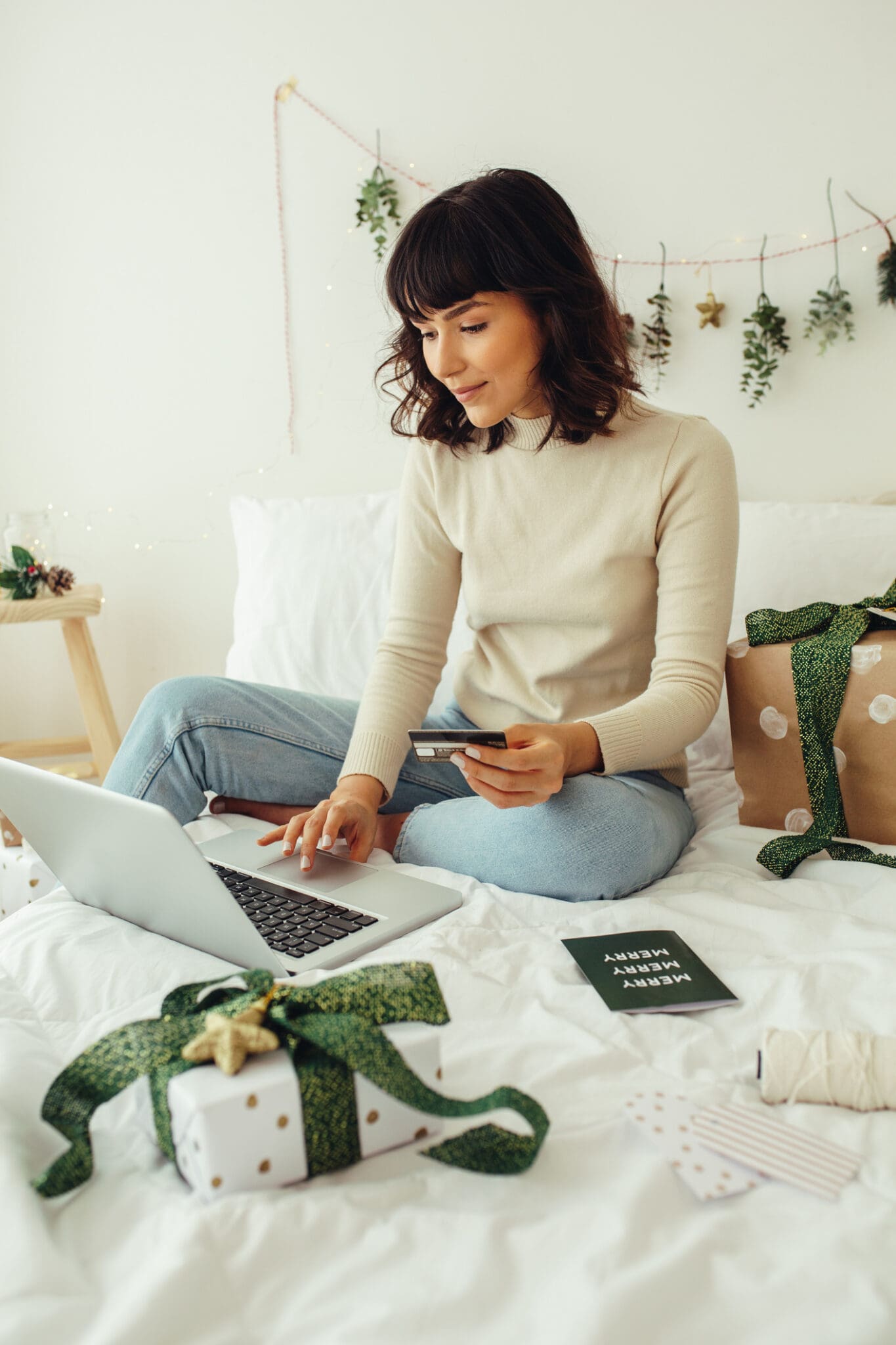
We do know that in the online space, we all act very differently, right? We wake up in the morning, we look at our phones, maybe we do a little shopping from bed, but we act very differently online than we would if we were in a regular store, right? We're not as careful and we tend to make more impulsive decisions when we're online. We also have shorter attention spans too, so even me, when I'm doing shopping, I’m doing it maybe between something and I'm trying to do it as fast as I can, and I don't always pause and say, “OK, where am I getting this from? Is this a good decision right now?” We try to tell people, if you can pause for a second, just look at where you're getting it from, think about what you're doing before you make the click. That's important.
Let's talk about it. How, as consumers, can we identify potentially counterfeit products? I'm going to use the example of the Louis Vuitton first. I have occasionally watched videos of people in pawn shops, not the series, but just random pawn shops. I'm always impressed that the guys that work at the pawn shops, the person will bring in a product, they'll look at it, they'll look at the stitching and go, “No, it's a fake because the Louis Vuitton stitching is this way. Let me show you online.”
It's like, “How does this guy know what this stitching is supposed to look like?” It's not like he just sells Louis Vuitton purses, but as a consumer, I wouldn't know what a Louis Vuitton stitching is supposed to look like. How would I even begin to see the warning signs that something might potentially not be legitimate?
Well, you brought up a very good point that I'm going to address before the warning signs. One of those things is only the brand can really, truly tell if something is authentic. The rest of us get a lot of signals and signs. I would say for us, we can tell if something is obviously fake, but right now, the counterfeits are getting so good that if I don't work for that brand and I'm not trained on it on the back end, because sometimes there's a lot of hidden tells that the brand will put in so that they can truly determine, “Is this fake or is this real?”
As consumers, in order to tell obvious counterfeits, there's a couple things. One, we always recommend if you really want to be safe, buy directly from the manufacturer. -Kari Kammel Share on XThere's a lot of technologies that are used now, too, that help with that. We don't have that as consumers and they can't give it to consumers because if it's out there, the counterfeiters will also have it, and then it defeats the whole purpose. As consumers, in order to tell obvious counterfeits, there's a couple things. One, we always recommend if you really want to be safe, buy directly from the manufacturer.
You can even do that on e-commerce platforms. There are what we call third-party sellers, but there's also direct from the manufacturer. That is one of the only truly guaranteed ways you can do that, or if it's from a well-known retailer that is not allowing third-party sales but is sourcing those products like a traditional store would be that we would walk into. That's one thing.
The second thing we always tell people is look at the seller. Sometimes it's really hard to find on some of these platforms who's selling the product, actually. They may have a name that looks very similar to the brand itself, but it isn't the brand. Sometimes you have to click and click and click and click to get there. We say look at their address, grab their address, throw it into Google Maps, Yahoo Maps, any type of thing, and see, does that actually give you the real business address?
Because most legitimate businesses are registered to do business somewhere. They will have that legitimate registration. We always tell people, too, if you see a website, go look at it. Look at the About Us. Do they have a real address on their website? Do they have a real phone number? Do they have a real email address? There's some that we've seen that looked really legitimate. We kept digging and digging. There were beautiful websites, very professional, no misspellings, none of the old traditional stuff that we'd see with counterfeits where everything was misspelled.
You're like, “I don't know how they made this,” but some of them are really good. When you look really carefully at the About Us, you can't find actual people or physical locations that are there. That's another big tell. The other thing, too, we always tell people this, if there's a shortage of a certain product out there and all of a sudden you magically find it online, probably not the legitimate product.
The other thing, too, we always tell people this, if there's a shortage of a certain product out there and all of a sudden you magically find it online, probably not the legitimate product. This is a place where counterfeiters step… Share on XThis is a place where counterfeiters step in very quickly. We've seen this from time to time. From everything, back at during COVID, from N95 masks, those jumped in right away to even toilet paper back then was counterfeited and put out, which you think would do that. You don't want to be using counterfeit toilet paper again. You don't know what's in it and that's something, again, you're putting on your body.
They fill that gap very quickly, that supply-and-demand thing. If you're trying to find something and you can't find it and all of a sudden it's too good to be true, it's probably too good to be true. The other weird thing is price. This is shifted as counterfeiters get more sophisticated. Back in the day, it was always cheaper, always cheaper. You could tell right away, like, “OK, I'm supposed to be buying a pair of $150 headset, but this one is only $20. Great. I have a deal.”
But they've realized they can deceive consumers better if they match the price point or you'll often see at any e-commerce site, it's only one or two cents less than legitimate product. But if you sort by price, they flood the postings so their postings will be at first. You won't even see the legitimate product till two or three pages in. That is also something to just be wary about. The images are another thing, and with AI, that's becoming harder and harder to tell. But if you look at the images, they look grainy, there's something wrong with them.
Maybe it says it's a branded product, but you look at the image and the trademark isn't on and the brand name isn't on. That's another sign that something's a little off. Looking at all of those types of things, we also say to look at the reviews, but we also know that there's these bots that put in fake reviews too. But if you're seeing negative reviews that are like, “This isn't what I ordered. I ordered vitamins, but I got a pack of tennis balls.” We got some issues. It may not be counterfeit, but it may be another issue too, because this often overlaps with organized crime and other types of theft of products, but those are big things. Once you get the product, let's say you go through all that, you feel great, you order it and it comes to your house. There's a lot of other things to look for. Where did it come from?
If you're buying from a company that says it's based in California, but your product comes three weeks later from Vietnam, question that. What is this? Look at the packaging of what it comes in. Also, look at the packaging of the product itself. Does it even have packaging? Does it not have packaging? What does it say on it?
If you're buying from a company that says it's based in California, but your product comes three weeks later from Vietnam, question that. What is this? Look at the packaging of what it comes in. Also, look at the packaging of the… Share on XThere's another overlapping issue we'll see sometimes with products coming in where there's a product that's meant for the US market because it's been tested. It's been approved by the FDA. It's made for here, but there will be other types of gray market goods that will come from other countries. You'll see other languages on them. For the most part, those products aren't supposed to be here because they're supposed to be going through a protected supply chain, so refrigerated, taken care of, not necessarily left on a dock in the heat in 100 degrees that you're then going to buy and put on your own body.
When you get the products, looking at it carefully too, and if you have another version of it that you bought comparing them, seeing what they look like, does it look suspicious? Does it look different? What is it? My sister had a case a couple of years ago where she was buying kids’ toothpaste, bought some online, used that brand all the time, got it. I think it came from Lithuania, and she was like, “Kari, look at this. Does this look right to you? The product looks different. It came from here. It doesn't have the box. It doesn't have the packaging.”
I was like, “Don't do it. We can't prove that that's counterfeit, but it's not worth the risk at that point. It's put in your kid's mouth. We know there's something suspicious about it. Most likely it is a counterfeit or diverted gray market, but it's not worth the risk. Just throw it out.”
What about products? I seem to remember, maybe this is bad recollection, a number of years ago, there was a factory that was making Nike sneakers for Nike, but then they were also selling them on the gray market or on the black market. Maybe it wasn't Nike, but how would you even distinguish if the factory is, “Hey, we're making lots of this product and we're just going to divert some of our production off to sell it ourselves?” Is there any way we would even notice because then technically it might actually be the real product, but we just don't know?
You may be. I can't speak to Nike in particular, but I can speak to this phenomenon. We call that third shift. It's like a factory is contracted to make a certain product for a company—morning shift, afternoon shift. The company goes home and then overnight they're using the same machinery. They might even try to be using the same, let's say, I don't know, let's say it's like canned peaches, right?
They may be using the same metal. They may be using the peaches in some way, but it's not authorized by the brand itself. For us legally, that is still a counterfeit. It's still a fake and there's a lot of reasons because the minute that product is made and goes out the back door and even during the process it's being made, there's no oversight of it.
There's no quality assurance because it's being done offline. In a way, it's like a type of employee theft, but it's usually with a contractor. There's no way to guarantee the same quality, number one, but number two, depending on what the product is, you have no idea the supply chain it took to get there. The other thing that you don't know, and we haven't talked about this yet, is a question that I challenge everyone to ask is, “Where did your money go?”
If you're buying something and you're like, “Oh, it came off the same factory line as the product I usually buy,” but your money is going towards that brand that you've chosen. You are a willing participant in purchasing that brand for whatever reason. Maybe you like it better. Maybe it aligns with your values. Maybe you think the quality is great for whatever reason. Your money, when it goes to that company, goes back into research and development.
It goes back into safety testing, quality assurance, all kinds of things. When it goes to the counterfeiter, the person making that on the third shift, it's not going to any of that. In some cases, it's going to fund organized crime. We know that it's going to fund other types of illicit activity. We know from a lot of our research and global partnerships that a lot of people doing this illicit activity are also doing other types of illicit trade.
Everything from human trafficking to weapons trafficking, drug trafficking. I always challenge people, “Where's your money going? Is that what you want to go to support, or would you rather support the canned peach brand that you know that you normally buy in a store that you know is going to be one safe that you get it?” You're also financially supporting a legitimate company.
Has there been much research into determining who's running counterfeit goods? Is it the people running the factory? Is it small, random groups of people? Is it organized crime? How is this? A little bit of everything.
All of the above. In some ways, not every way, but in some ways, it can mimic the drug-trafficking trade where you have varying levels of people. You have street-level dealers that are the people that may be selling stuff at the flea market, or they've been given a lot of product, and they're told, “Sell it.” Then you have everybody up to the people manufacturing it or the operations of it.
It's much easier for brands, for law enforcement, to get at the street-level dealers because they're more visible. I call them street-level dealers. They could be the online dealers too. There's a lot of effort spent trying to find the bigger people or organizations that are running some of these. There's been a lot of examples, both in the US, but also in Europe, where they've been able to dig deep and find these bigger criminal organizations that are running this.
Oftentimes, they're not a standalone counterfeit criminal organization. They're usually using it to fund other activities that they're doing because it's low risk for them. It's pretty easy to sell a counterfeit good and get money… Share on XOftentimes, they're not a standalone counterfeit criminal organization. They're usually using it to fund other activities that they're doing because it's low risk for them. It's pretty easy to sell a counterfeit good and get money back as opposed to drugs. We see a lot of criminal activity doing that to fund their own thing. We also see, and this is where, for me, it gets really scary and disturbing, we even see medical professionals in the US that are injecting their patients with counterfeit goods because they're taking the authentic drug that they get, selling it on the black market, and then buying the counterfeit. They're billing it to insurance, and someone may not know until an investigation happens or someone gets hurt or injured. We'll see all kinds of things.
You'll see it from someone who's like, “Oh, I'm entrepreneurial. I think I'm going to do this,” and then they're like, “Oh, wait. I think this is against the law. I shouldn't be doing this,” to really extensive organized crime, to professionals abusing their role in patient safety just to make a quick buck. The weird thing is that—maybe not weird thing, but at its core, it's a financially based crime. People are doing it to make money, and oftentimes they can make a lot of money very quickly.
If you can shortcut the process and keep the difference for yourself, there's your crime. I don't know if you know this. If you watch all the TV shows, all the crime TV shows and whatnot, that there's port workers that are, “Let's inspect this one, but not that one.” Is there organized getting around inspections, or is it just because we only inspect a small percentage of cargo that these large quantities can get through?
I mean, I haven't heard much of that on the US side, but I do know that happens in other countries especially where there's a lot of bribery going on, just depending on the country. There's also an issue around free trade zones, which are usually there for economic development, but some of the issues around free trade zones is that they're not monitored as closely.
We know that there are mechanisms for moving large amounts of counterfeit product, as well as other types of illicit trade too. We know that those are big risk areas, but again, with the current state of e-commerce and social media and the way we're shopping today, a lot of it's coming through these individual packages.
Back in the day, counterfeiters figured out that when customs would stop a huge container, like the containers that we see in the shipping industry that then go on the trains, they would lose huge amounts of profit. They started dividing up their goods and not shipping it in big shipping containers. This was even 10, 15 years ago. They figured that out.
They started sending it over in smaller quantities or sending over all the labels in one and all of the other materials in another. They're very clever and they can pivot very quickly, much faster than any legitimate company or law enforcement can to just change depending on how they're being blocked. They will always go to the path of least resistance too.
“We're going to ship a bunch of product in unlabeled canisters, and then once it gets here, we'll slap the label on them here that way or put a new label over it.”
We even had to change our laws here in the US to address that, to say, “Well, if you do that, we still know that you're trying to sell counterfeit goods.” Just because the label isn't affixed to it at that moment isn't a good enough excuse.
All sorts of ways to get stuff around with the intent of people not noticing it. Is there any particular place in the world where this is generally sourced more from versus other places?
Yeah, so we tend to see, and this is interesting because I don't know, I mean, there's a lot of conversation about why certain countries, I mean, we label them in three ways. Are they a point of origin for counterfeit goods? Meaning are they being manufactured there? Are they a point of transition, or they're going through a country to get to another country, or are they a destination country, meaning consumers in that country are buying? The US is very much a destination country, right? We have a lot of those. We do have some cases that are being manufactured here.
I would say there are some, and sometimes we are a transit country, too, maybe going to other places, but we are very much a destination country where people know they can make a lot of money selling counterfeit goods. We tend to see countries that are still major manufacturing powerhouses being some of the places where a lot of the counterfeiting originates, but it also varies on what industry and what product, too.
We tend to see that flowing. As we see some countries starting to become manufacturing powerhouses, we see the counterfeiters coming after that, as well, which has been interesting to watch that shift and change. A lot of countries, too, have different cultures around, we call it individualism and collectivism, so where we have pretty strict, even in schooling, you're not supposed to plagiarize someone else's work.
You need to cite to it. You can't copy it. You shouldn't copy another artist. You should come up with your own ideas. Some other cultures, it's considered flattery to copy someone else's ideas. We've even heard in some countries that some startup businesses and entrepreneurs start with a counterfeit model until they reach enough capital that they can create their own brand, and they use that as a stepping stone.
That scene is culturally and socially appropriate in those countries, but here, we would still say that that was illegal, even though it does happen here, too. That's something that we would say, “No, you should come up with your own stuff because you're stealing the brainpower of whoever made that up.” It really varies from place to place.
The interesting stats, I think, to look at are U.S. Customs and Border Protection, which still lists China as the number one place from where counterfeit goods are coming from. It shifts every year some of the other ones underneath it, and again, it depends very much on whether we're talking about shoes, clothing, pharmaceuticals, toys, cigarettes, what that may look like.
We haven't talked about it yet, but from the brand perspective, do they have much that they can do about this?
Most of them do everything they can. To some extent, their hands are a little bit tied behind their back. Even though it may appear to us as consumers that it's their product, it actually legally isn't their product, it's someone else who's actually committing a crime. Interestingly enough, this is criminalized in all 50 states in the U.S. and under federal law, too.
In the US, very much, and overseas in many countries, too. They do their best, most brands do, to scour physical marketplaces, but online marketplaces as well to look for fakes of their product and to get them down. They don't want their consumers to buy fakes. They don't want their consumers to be at risk. They don't want their consumers to get hurt, injured, to lose their money, and go somewhere else.
There's a lot of effort in doing that, and that's the field that I work in. It's called brand protection, where a lot of these brands, but not only brands, you see government agencies, you see law firms, you see technology companies that have come up where their only job is to look on social media and e-commerce sites to look for counterfeits to try to get them down. Brands are still limited in the sense that some of the laws around this are very old.
They're from the '90s, when the internet was first getting big. If a brand sees a counterfeit posting on an e-commerce platform or on social media, they will report it, and that platform, all they have to do is if they agree with the brand, they pull it down. They don't have to proactively look for things. They don't have to keep products off of the platform. What you see is they call it the Whac-A-Mole problem.
You take down one posting, 30 more come up, especially with AI now, because these AI-generated posts, which a lot of platforms are encouraging, make it happen even faster. The brands are doing what they can. They are still limited by the law, but a lot of them, and depending on the company too, some have really big teams that are doing this. We have worked with small businesses that have two, three people in their business.
The Counterfeit Economy Share on XThey're doing the best that they can, but they can't dedicate their whole staff to chasing this. We do tell people, “If you're going to start a small business, register your trademark. Be aware of this. You have to monitor online, because if you're going to have a good product, maybe you go viral. Expect the counterfeits to come right behind them.”
I've heard that story from young entrepreneurs creating products, particularly when their channel is social media, that right after they have their product released, that they've put years of R&D into it, they released the product, and somehow it seems like three months later, someone else has knocked it off and is selling it for a quarter of the price. “How does someone bring this product to life and selling it below my cost?”
Well, it depends on where they're manufacturing and what conditions they're manufacturing under. That's another thing that I didn't talk about earlier when I said, “Where does your money go?” The other question is, how is that fake being made? We do know that in some cases, when there have been raids of counterfeit factories, that we see people working in inhumane conditions, we've seen child labor, a lot of things related to human trafficking for the purpose of creating these goods.
That's part of why the product is cheaper, right? The factories don't have all the labor protections, or you have a lot of companies that maybe their legitimate products years ago were made in inhumane conditions, and there was public outcry, so they really leaned into the corporate social responsibility and said, “OK, the price is going to go up, but we want more humane working conditions. We want to comply with international labor laws.”
That's why products are sometimes more expensive, not always, but I always ask people, “How do you think that product is so cheap? It's not made in the same conditions as the legitimate one.” It also has gone through no testing. That cost something, the quality assurance piece, or the testing to make sure it's safe, and the R&D.
Most counterfeiters will take a real product, and if they, like you said, someone went viral and they have this great product, the counterfeiters are buying it right away. They're taking it, maybe reverse engineering it, maybe even not, just making it look like the other one, and they go to market just like that.
Yeah, that's awful. If people want to learn more about what A-CAPP does, where can they find A-CAPP online?
Yeah, it's a-capp.msu.edu. There's also some fascinating documentaries that are on Netflix and Hulu about counterfeiting. If anyone wants to take a look, there's one about the cosmetics industry on Netflix. That's really fascinating. There's another special on counterfeit wine, which is also really interesting how one mastermind counterfeiter upended the whole wine industry with his entrepreneurial counterfeiting. It's interesting to see those things, to give examples, so people can really see what this looks like too.
Awesome. Kari, thank you so much for coming on the podcast today.
You're welcome. Thanks for the invitation.