
Protecting Kids Online
Chris McKenna is the founder of Protect Young Eyes, an author, and digital safety advocate. Chris works with families, schools, churches, legislators, and technology companies to help create safer digital spaces for kids. His path into this work began after a career in business and ministry, where he started seeing firsthand how quickly smartphones and other devices were changing childhood and the kinds of risks young people were encountering.
The Psychology of Yes
It is easy to say you would never fall for a scam when you are looking at the situation from the outside. In the moment, though, things can feel much less obvious. A request may sound reasonable, the person may seem trustworthy, and saying no can feel awkward enough that you go along with something you would normally question.
Love, Lies and Locked Up

What sounds like the plot of a crime thriller was Sharon Armstrong’s real life. An online romance drew her into an elaborate web of lies involving overseas contracts, invented emergencies, and several people playing carefully planned roles. By the time she arrived at an airport in Argentina with five kilograms of cocaine hidden inside her suitcase, she still believed she was carrying business documents for the man she loved.
When Trust Becomes a Trap
Most people use technology all day without giving much thought to what is happening behind the screen. We trust routers that may not have been updated in years, depend on internet systems few of us understand, and now turn to artificial intelligence for everything from travel plans to home repairs. That convenience comes with tradeoffs.
Sports Betting

Sports betting is everywhere now. It is in the commercials, on the apps, wrapped into game broadcasts, and sold as a fun way to make sports more exciting. But behind the easy sign-ups and “risk-free” offers is an industry built on odds most people do not fully understand, fine print that can cost real money, and a business model that depends on customers losing.
Personal Safety
Scams and safety threats don’t always announce themselves. Sometimes they start quietly, with a moment of distraction, a strange feeling you ignore, or a situation that shifts just enough to test whether you’re paying attention.
Data For Sale

Small details can add up quickly, creating a personal profile that businesses, data brokers, scammers, and even people with bad intentions can use in ways most of us never agreed to or fully understood. Your mobile number has become one of the most valuable identifiers companies can collect, how everyday purchases can reveal more than you think, and why scammers are often looking for the easiest target rather than the hardest one.
Exploiting Psychology

Scams are often explained as a failure of judgment, but the truth is far more human. People are not fooled because they are foolish. They are manipulated at the exact moment emotion overrides logic, whether that emotion is fear, loneliness, hope, urgency, financial stress, or the desire to believe something better is finally possible.
Elder Exploitation
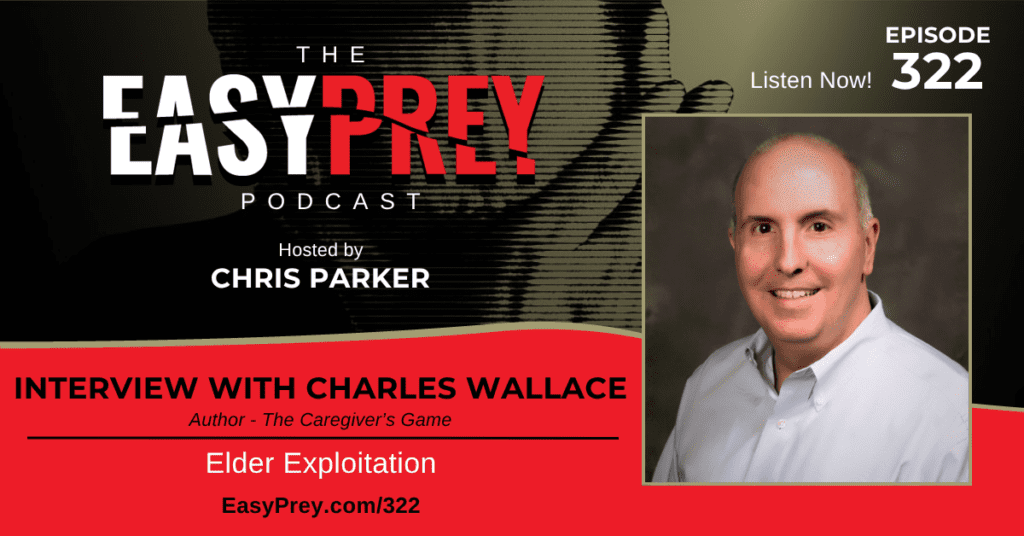
Charles Wallace spent 15 years in banking and finance, and after his mother’s death, he used that experience to reconstruct more than 3,000 transactions. What he found was a devastating pattern of elder financial abuse, including nearly a million dollars in losses, missing belongings, questionable legal changes, and systems that failed to respond when the red flags were already there.
Art Heists
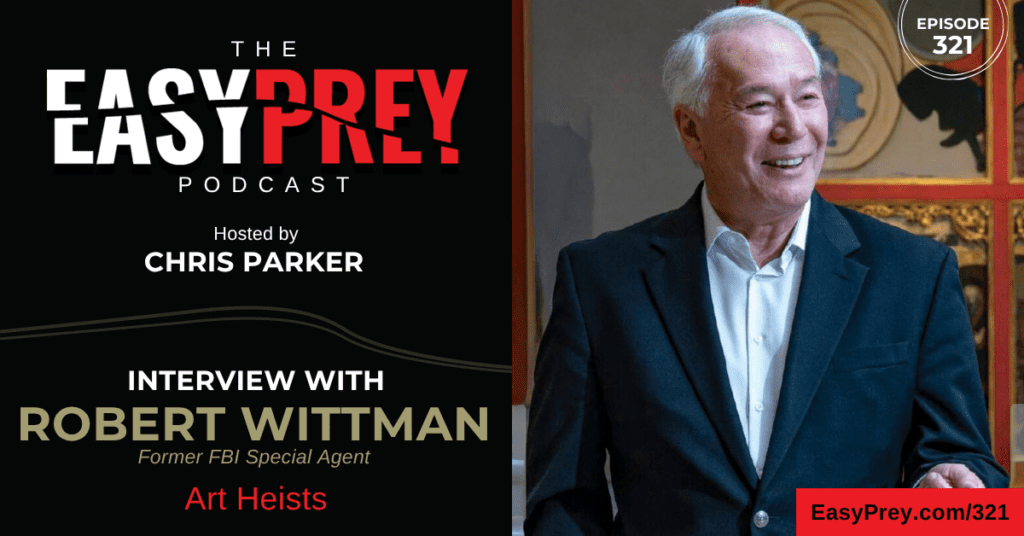
Robert Wittman is a former FBI special agent and the founder of the FBI’s Art Crime Team. Over a 20-year career, he worked undercover in more than 20 countries and helped recover over $300 million in stolen art and cultural property. We discuss the movie version of art crime and how it actually works. Whitman explains why most stolen masterpieces are nearly impossible to sell, how insider access plays a role in many museum thefts, and why forgery and fraud now make up the bulk of the market.
The Power of Prediction

We make predictions all the time including about the weather, about traffic, about what someone is going to say next. It feels natural, even rational. But when algorithms start making predictions about us, whether we’ll repay a loan, reoffend after prison, or respond to a medical treatment, something fundamental shifts. The forecast stops being a guess and starts becoming a verdict.
Wired to Trust
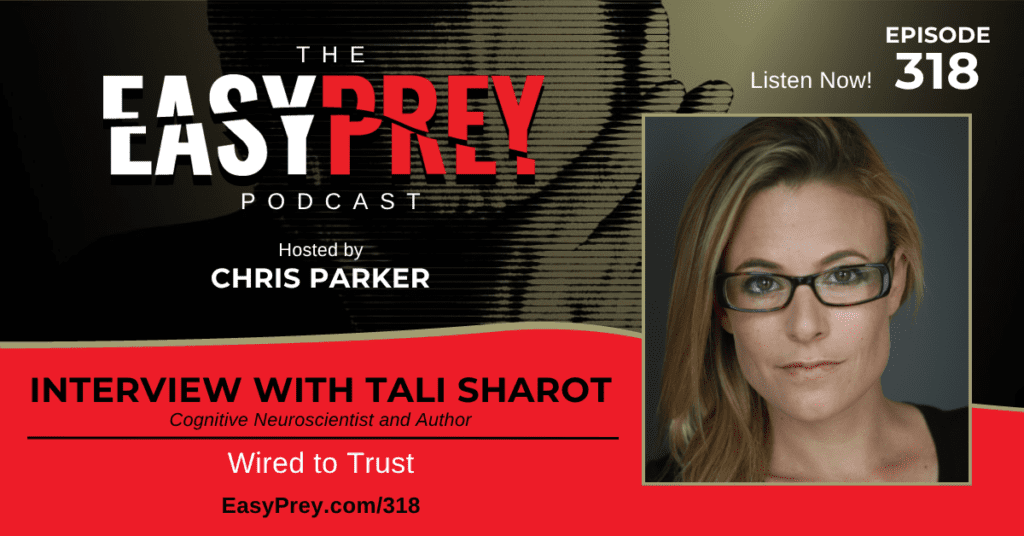
Tali Sharot is a cognitive neuroscientist who studies how we form beliefs and make decisions. She’s known for her research on the neural basis of human optimism, and her work has been published in leading journals. In her books, The Optimism Bias and The Science of Optimism, she explains why we expect things to work out and how that tendency can quietly expose us to risk.
Intimate Partner Fraud
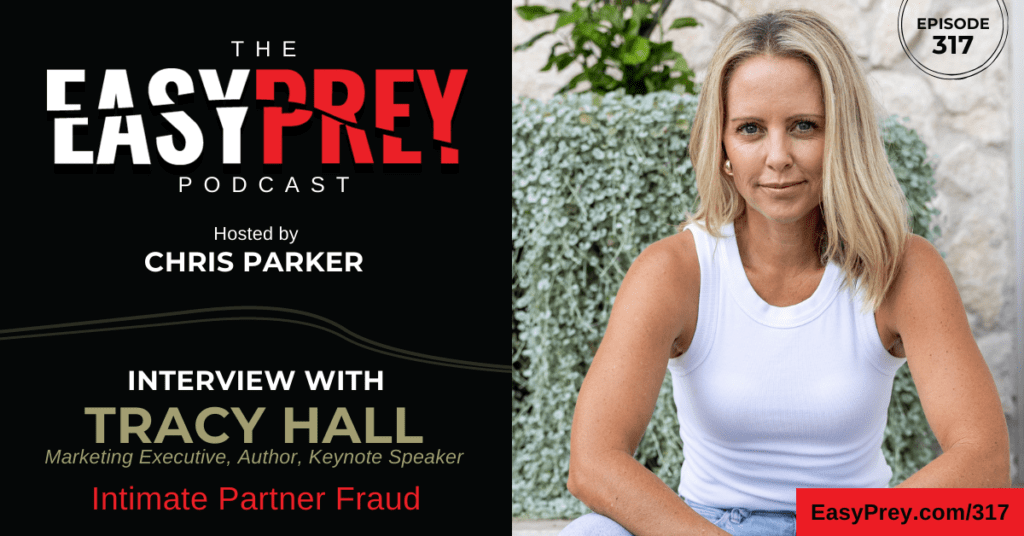
Most scams leave a digital trail. A fake email, a spoofed number, a fraudulent website. You can trace them, report them, sometimes even reverse them. But what happens when the scam has no digital trail at all, because it isn’t happening on a screen? What happens when the con is standing right in front of you, making you laugh, meeting your friends, and planning a future with you?
Money Laundering
Organized crime operates like a multinational business, spread across borders, built on trust networks, specialization, and efficiency rather than brute force. This episode looks at how modern scams, fraud, and money laundering actually work and why they’re so hard to spot before serious damage is done.
Exploiting Trust (Part 1)
Most security failures don’t start with a dramatic breach or a mysterious hacker sitting in a dark room. They usually start quietly. Someone assumes a system is locked down. Someone trusts that a door shouldn’t open, or that a machine “just works,” or that no one would ever think to look there. Over time, those small assumptions stack up, and that’s where things tend to go wrong.
Surviving a Ransomware Attack

A ransomware attack sometimes starts with a quiet system outage, a few unavailable servers, and a sinking realization days later that the threat actors were already inside. This conversation pulls back the curtain on what really happens when an organization believes it’s dealing with routine failures only to discover it’s facing a full-scale cyber extortion event.
Why You Fall For Scams
Why do smart, capable people fall for scams even when the warning signs seem obvious in hindsight? In this episode, Dan Ariely joins us to examine how intuition often leads us in the wrong direction, especially under stress, uncertainty, or emotional pressure.
Author Scams Exposed with Victoria Strauss
This conversation is about awareness and empowerment. Whether you’re just getting started or you’re a seasoned author, you’ll learn how to do your due diligence, where to turn for trustworthy resources, and how to avoid becoming an easy target in a complex industry.
Tricked by Followers and Badges with Tim O’Hearn
Whether you’re running a business, casually browsing, or just trying to figure out the complicated world of online attention, this conversation will give you a rare peek behind the curtain.
Only 10 Seconds to Expose a Scam with Nick Stapleton
What if you could stop a scam in real-time before the damage is done? In this episode, I’m joined by Nick Stapleton, an investigative journalist and the face behind Scam Interceptors, the BAFTA award-winning BBC series that exposes online fraud and steps in to protect victims as scams unfold.
Reclaiming the Internet with Cory Doctorow
Cory Doctorow is a science fiction author, activist, and journalist. He is the author of many books and most recently, Picks and Shovels, The Bezel, and The Lost Cause, a solar punk science fiction novel of hope amidst the climate change emergency. Cory talks about the slow decline of online platforms and has spent decades fighting for digital rights, fair tech policy and a better, freer internet.
Safe AI Implementation with Aditya Sood
Red models associated with AI technologies highlight real-world vulnerabilities and the importance of proactive security measures. It is vital to educate users about how to explore the challenges and keep AI systems secure. Today’s guest is Dr. Aditya Sood.
The Art of Espionage with Jim Lawler
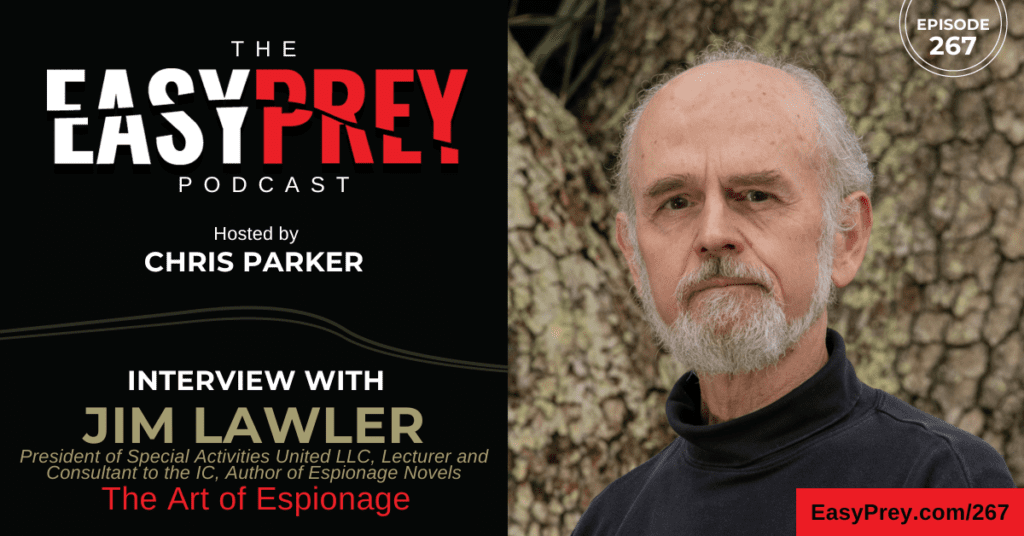
What makes someone betray their country? It’s rarely just about money. In this episode, you’ll hear from a retired CIA officer who spent 25 years recruiting foreign spies by tapping into something deeper than greed. Jim Lawler shares real stories from his career in human intelligence, where persuasion was built on empathy, trust, and understanding what truly drives people.
Why Resolutions Fail with Dr. Leslie Becker-Phelps
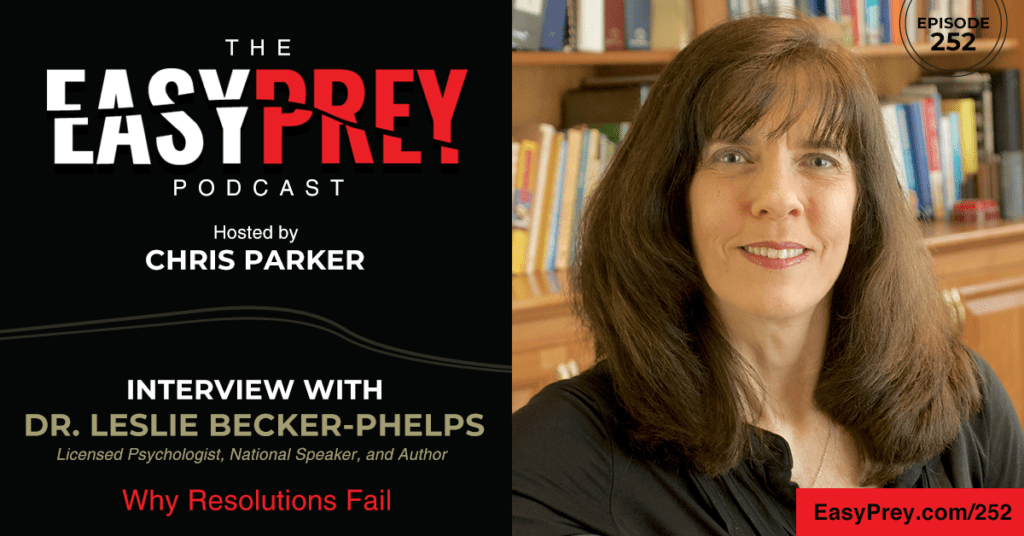
We often put off changes and schedule them to start on January 1st. Many of these idealistic resolutions fail shortly after beginning, so it is important to be thoughtful when planning so that you can set yourself up for success.
Human Hacking with Peter Warmka
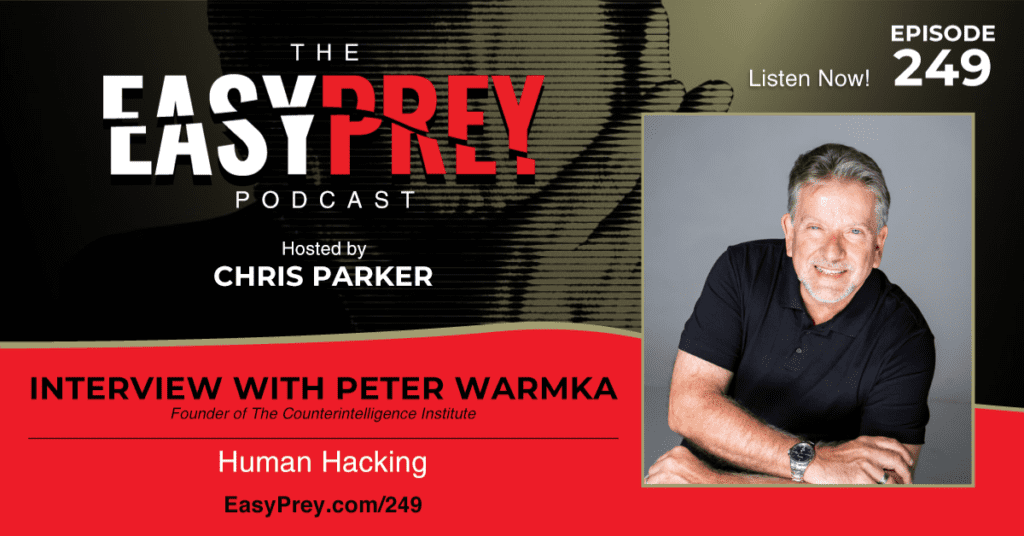
Peter Warmka is a retired CIA officer with over two decades of breaching the security of organizations overseas in pursuit of intelligence. He is the founder of The Counterintelligence Institute, author of two books, conference speaker, consultant, and educator on the dangers of human hacking.